
Buying a used BYD Destroyer 05 for export requires more than finding an attractive advertisement. A careful importer compares the exact vehicle identity, export eligibility, mechanical evidence, documents, logistics, taxes, and the rules at the destination. This guide turns those separate questions into a repeatable process that can be used before money changes hands.
What matters for this search
Ownership cost includes energy or fuel, routine service, tires, insurance, taxes, likely repairs, specialist tools, battery or emissions-system risk, and parts lead time.
Buyer overview
Begin with the intended use. Road quality, fuel availability, charging access, climate, passenger load, cargo needs, and local service support can matter more than a fashionable trim. Write down the minimum acceptable model year, powertrain, transmission, safety equipment, and steering position. Treat every unverified feature as unknown until a document or inspection confirms it.
Listings with similar names can describe different generations, engines, batteries, drivetrains, or market specifications. Ask the seller to connect photographs and records to one identifiable vehicle. Do not infer mileage, ownership history, accident history, warranty, certification, or availability from an article, a stock image, or a model name alone.
Documents and export checks
Match the identification number across the vehicle, registration or title record, sales contract, inspection evidence, and export paperwork. Confirm that the seller is authorized to sell and export it and that no unresolved finance, theft, salvage, or administrative restriction prevents transfer. Names, dates, numbers, and vehicle descriptions should be consistent before payment.
The destination may require a certificate of origin, export declaration, invoice, packing or shipping record, translation, conformity evidence, emissions proof, or a pre-shipment inspection. Requirements can depend on age, engine size, powertrain, steering position, and port of entry. Obtain a written checklist from the responsible authority or licensed broker for the exact route.
Inspection before payment
Request a dated inspection that records the identification number, instrument display, warning lights, cold start, fluid leaks, tire condition, glass, lights, underbody, paint measurements, and diagnostic faults. Photographs should cover all exterior panels, cabin controls, seats, cargo area, engine bay, wheels, and any damage. A continuous video can help connect these details to the same car.
For an electric or plug-in vehicle, add battery state-of-health evidence, charging-port condition, charging tests, thermal-management checks, and confirmation that the supplied cable works with the destination. For a combustion vehicle, focus on cold-start behavior, emissions equipment, oil and coolant condition, transmission operation, and signs of overheating or neglected maintenance.
Shipping and arrival planning
Compare roll-on/roll-off, shared container, and dedicated container service by total route risk rather than freight price alone. Check origin handling, inland transport, port charges, insurance terms, transshipment, destination handling, storage exposure, and who controls the original documents. Record the vehicle condition and included accessories immediately before handover.
Ask for a realistic sailing window, but avoid treating an estimate as a guarantee. Port congestion, customs review, carrier schedules, weather, and document corrections can change timing. The contract should define responsibility at each stage and explain what happens if the vehicle or paperwork does not match the agreed description.
Build a complete landed-cost estimate
A useful landed-cost sheet separates vehicle price, inspection, inland movement, export handling, freight, insurance, destination port charges, customs duty, tax, broker fees, registration, testing, repairs, and currency conversion. Leave a contingency for storage, parts, document correction, or a schedule change. A low purchase price can become expensive when one of these items is omitted.
Use written quotations with clear validity dates and assumptions. Compare like with like: the same vehicle basis, route, insurance coverage, included services, and tax method. Avoid relying on an article for a live price or tax amount. Dynamic figures must come from current vehicle evidence and current destination rules.
A safer decision process
Use staged verification. First screen the model and route; then verify the seller and documents; then commission inspection; then confirm shipping and customs; and only then approve payment under written terms. Keep copies of messages, quotations, reports, receipts, and the final vehicle condition record.
Pause when identification numbers conflict, requested evidence is repeatedly avoided, payment details change unexpectedly, documents appear edited, or a seller pressures you to skip inspection. A good export purchase is not merely a car choice: it is a chain of verifiable facts and clearly assigned responsibilities.
Buyer checklist
- Define model, generation, powertrain, transmission, steering position, and acceptable year range.
- Confirm destination eligibility, age limits, emissions rules, taxes, and required inspections.
- Verify seller identity, authority to sell, vehicle identity, title status, and export eligibility.
- Obtain independent mechanical, body, diagnostic, and document evidence before final payment.
- Compare complete landed cost and written shipping responsibilities, not only vehicle price.
- Keep a dated record of the agreed specification, condition, included items, and handover evidence.
Frequently asked questions
Is the vehicle shown on this page currently available?
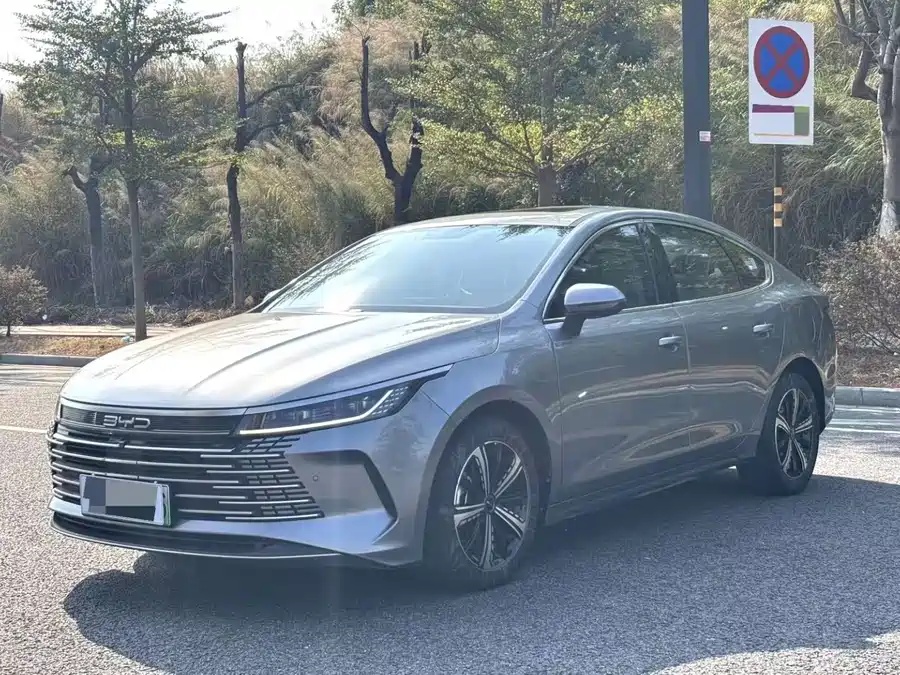
No availability is claimed. The photograph is representative editorial imagery. Request current vehicle-specific evidence before making a decision.
What should be verified before paying for a used BYD Destroyer 05?
Verify the seller, vehicle identity, title or registration status, export eligibility, inspection evidence, contract terms, payment recipient, shipping plan, and destination requirements.
How can an importer estimate the total cost?
Combine the verified vehicle price with inspection, inland transport, export handling, freight, insurance, destination charges, duty, tax, broker fees, registration, testing, repairs, and a contingency.
Which shipping method is best?
The answer depends on route availability, vehicle type, protection needs, timing, and total port costs. Compare written roll-on/roll-off and container quotations for the same route and coverage.
This independent guide is educational. Vehicle rules, taxes, eligibility, and documentation vary by destination and can change. Confirm current requirements with the relevant authorities and licensed service providers before paying.
Request a used-car export quotation
Tell us the vehicle and destination. Keep the request short; Email or WhatsApp is enough for contact.